Irrigation systems
The most common irrigation fault we see here is the watering schedule.
An irrigation system is buried, it runs at six in the morning, and when it works there is no reason to look at it. It is also where most garden failures on this island start.
Gardens here are usually watered too often and not for long enough. Ten minutes every morning wets the top few centimetres of soil and no more, so the roots stay there, where it is hottest and dries fastest. The plant looks fine while the routine holds. Then a controller fails, or nobody is at the house for a fortnight in August, and a garden that appeared perfectly healthy in June is gone in a week, because it never rooted deep enough to survive being under-watered.
Watering less often and for much longer does the opposite. It is the single cheapest change most gardens here could make.
Where your water comes from
Delivered by truck
Every litre has a price, so every litre saved is money back. Efficiency pays for itself fastest here, and this is where we find the biggest reductions — usually in emitter spacing, run times set years ago and never revisited, and leaks nobody has looked for.
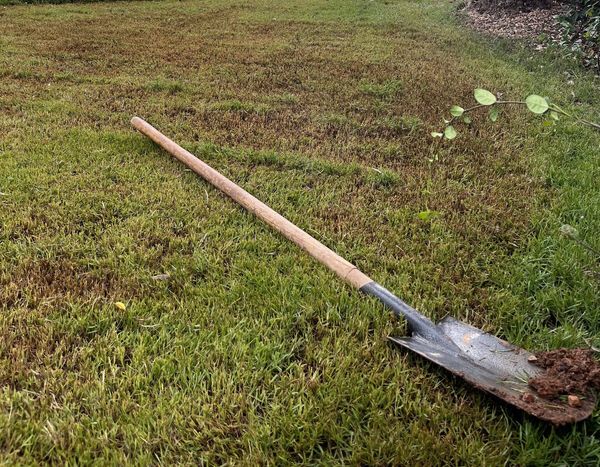
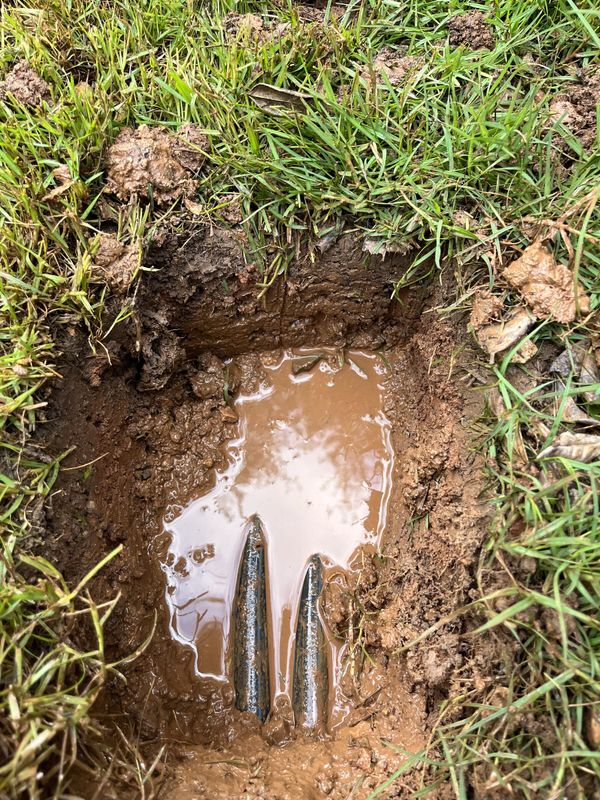
A leak nobody was looking for. On a recently completed property where the owners bought water by the truck, patches of the lawn were the wrong colour and wet at the surface. Under the turf, the main line had split — an installation fault, months old, running every time the system did. We fixed it in an afternoon. Read the full story →
From a well
The water is yours, so the cost is electricity, pump wear and the aquifer itself. The real expense is over-extraction, and it shows up years later: wells that ran fine for a decade begin to draw salt.
Municipal supply
Metered and predictable, until a drought restriction arrives and the garden has to survive on less than it was designed for. Planting suited to this climate copes with that.
Greywater
Some houses already recover it. Most that could, don't — the plumbing decision was made during construction and never revisited. Where a system exists, using it properly for irrigation is close to free water.
Water arrives here by truck, from a well, or from the mains, and all three cost something. Using less of it means fewer deliveries, a smaller bill, and an aquifer that lasts.
What we change
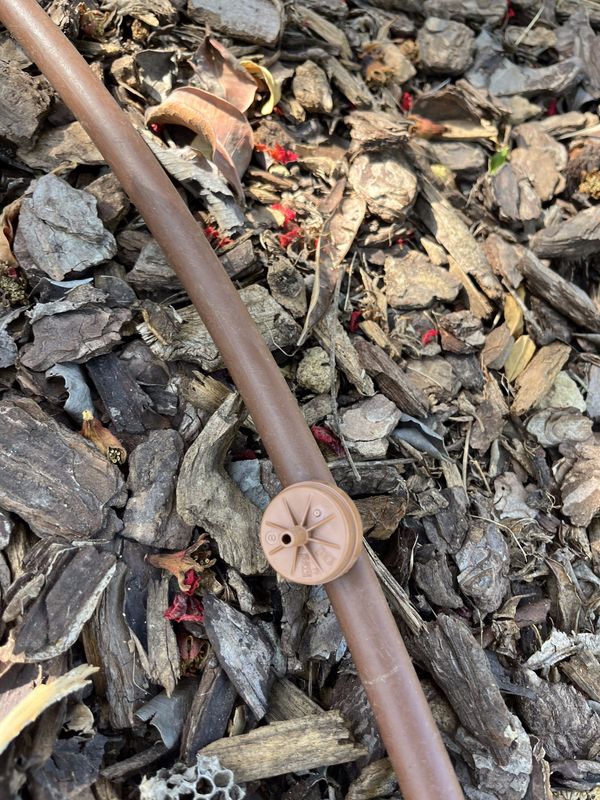
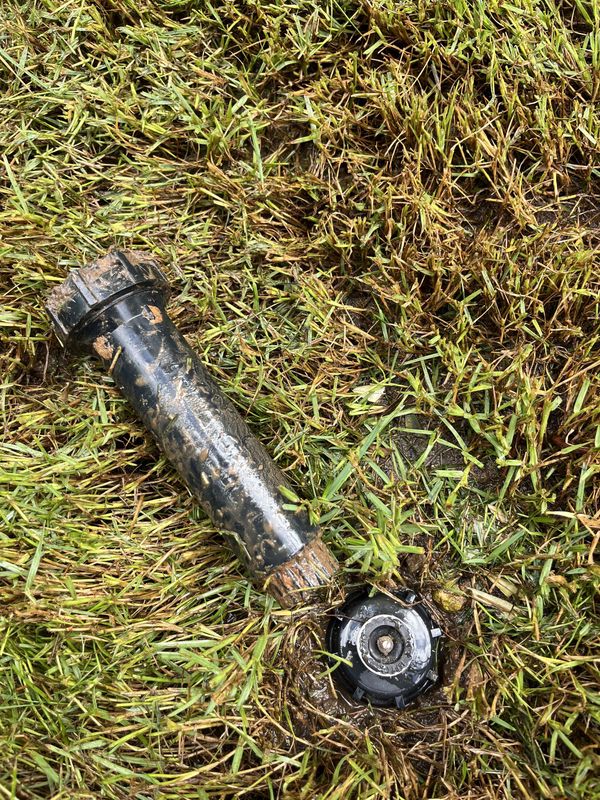
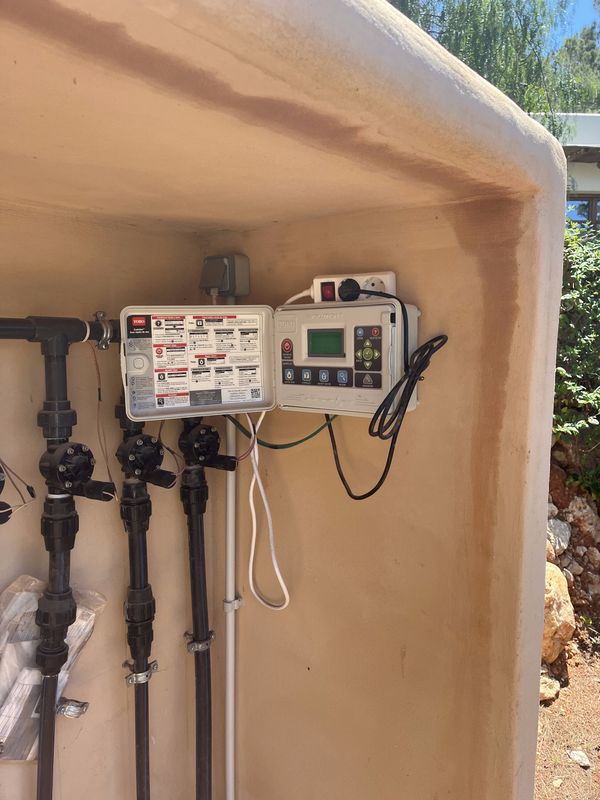
Drip lines and emitters for beds, young trees and orchards, where the aim is to lose as little water as possible to evaporation or run-off. Rotary heads where a lawn genuinely needs even coverage across an open area — and needs checking, because nozzles clog and arcs drift out of alignment. Filters, which are the part that fails and nobody checks, sited at the valve manifold to catch sediment before it reaches the line. Controllers that split the system into zones and adjust for rain and season. And mulch and soil work, which cut evaporation.
We have not yet seen a system that could not be improved. Usually the saving comes from run times set once and never adjusted, filters nobody has opened, and water going where nothing is growing, rather than from new equipment.