
How to Design a Low-Maintenance Villa Garden in Ibiza
Owning a villa in Ibiza is a dream — but managing its garden shouldn't feel like a full-time job. Whether you spend the whole year on the island or only visit during the summer season, one thing is true: a well-designed Mediterranean garden should work with the climate, not against it.
At Raíz, we design and build villa gardens across Ibiza that are both stunning and genuinely easy to care for. In this guide, we share the principles we apply to every project — so you can understand what separates a low-maintenance garden from one that demands constant attention.
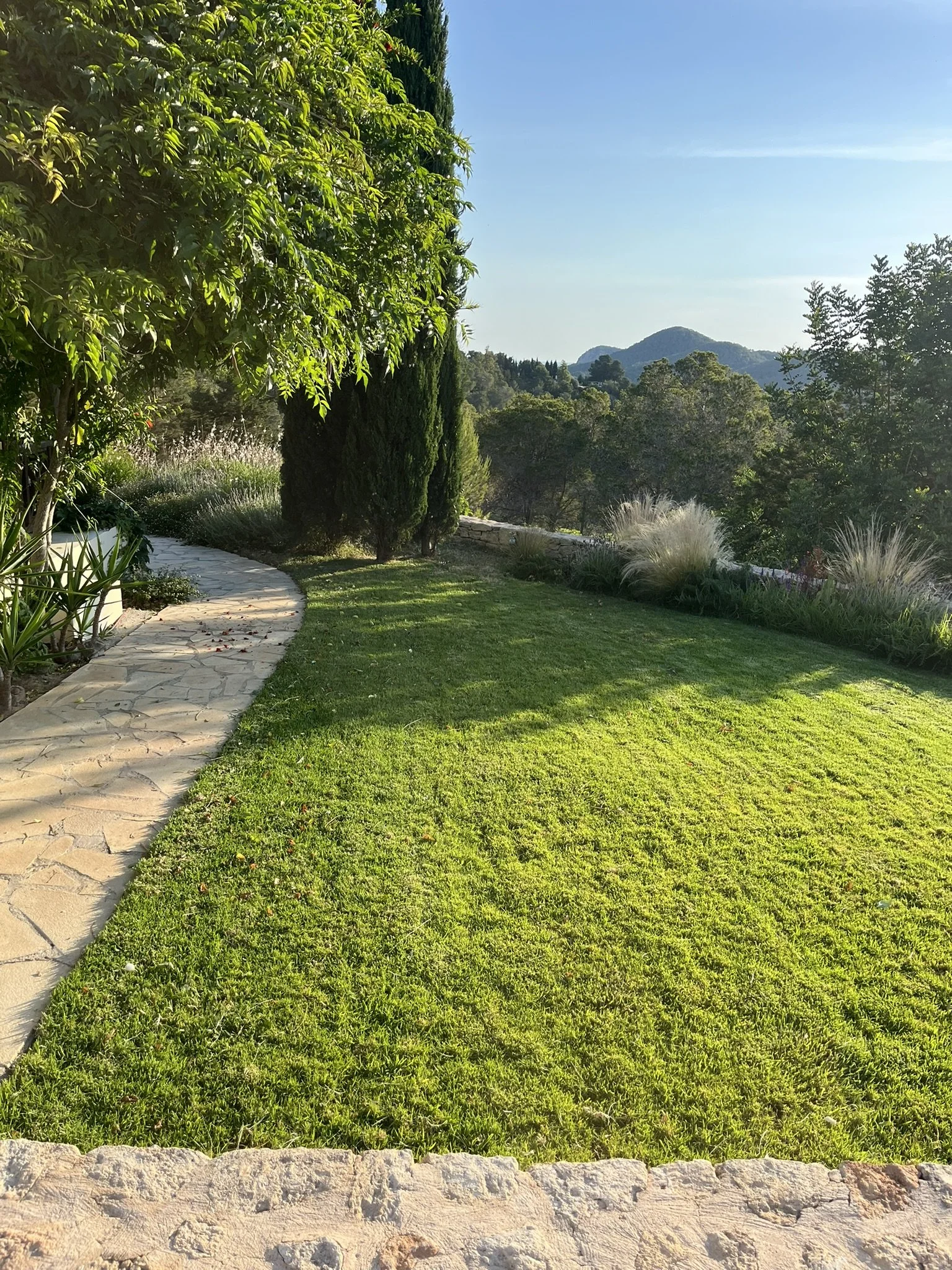
What Makes a Garden High-Maintenance in Ibiza?
Before talking about solutions, it helps to understand the problem. Many villa gardens in Ibiza were designed with aesthetics in mind but without considering the local climate or the owner's lifestyle. The result is often:
Exotic or tropical plants that need frequent watering and can't tolerate dry summers
Large lawns that require intensive irrigation, weekly mowing, and fertilising
Over-complicated irrigation systems that are difficult to manage and prone to failure
Poor soil preparation that forces plants to struggle rather than thrive
If your garden feels like it needs constant intervention just to look decent, it's a design problem — not a plant problem.
5 Principles of a Low-Maintenance Villa Garden in Ibiza
1. Start With Native and Adapted Mediterranean Plants
The single most impactful decision you can make is to choose plants that are naturally suited to Ibiza's climate: hot, dry summers, mild winters, and occasional strong winds.
Native and Mediterranean-adapted species have evolved to survive on minimal water. They require little to no fertilising, are naturally resilient to pests, and look beautiful year-round without constant intervention.
Top plant choices for low-maintenance Ibiza gardens:
Lavender (Lavandula angustifolia) — drought-tolerant, aromatic, attracts pollinators
Rosemary (Rosmarinus officinalis) — structural, hardy, requires almost no care
Cistus (rock rose) — thrives on rocky, dry soil; produces beautiful flowers in spring
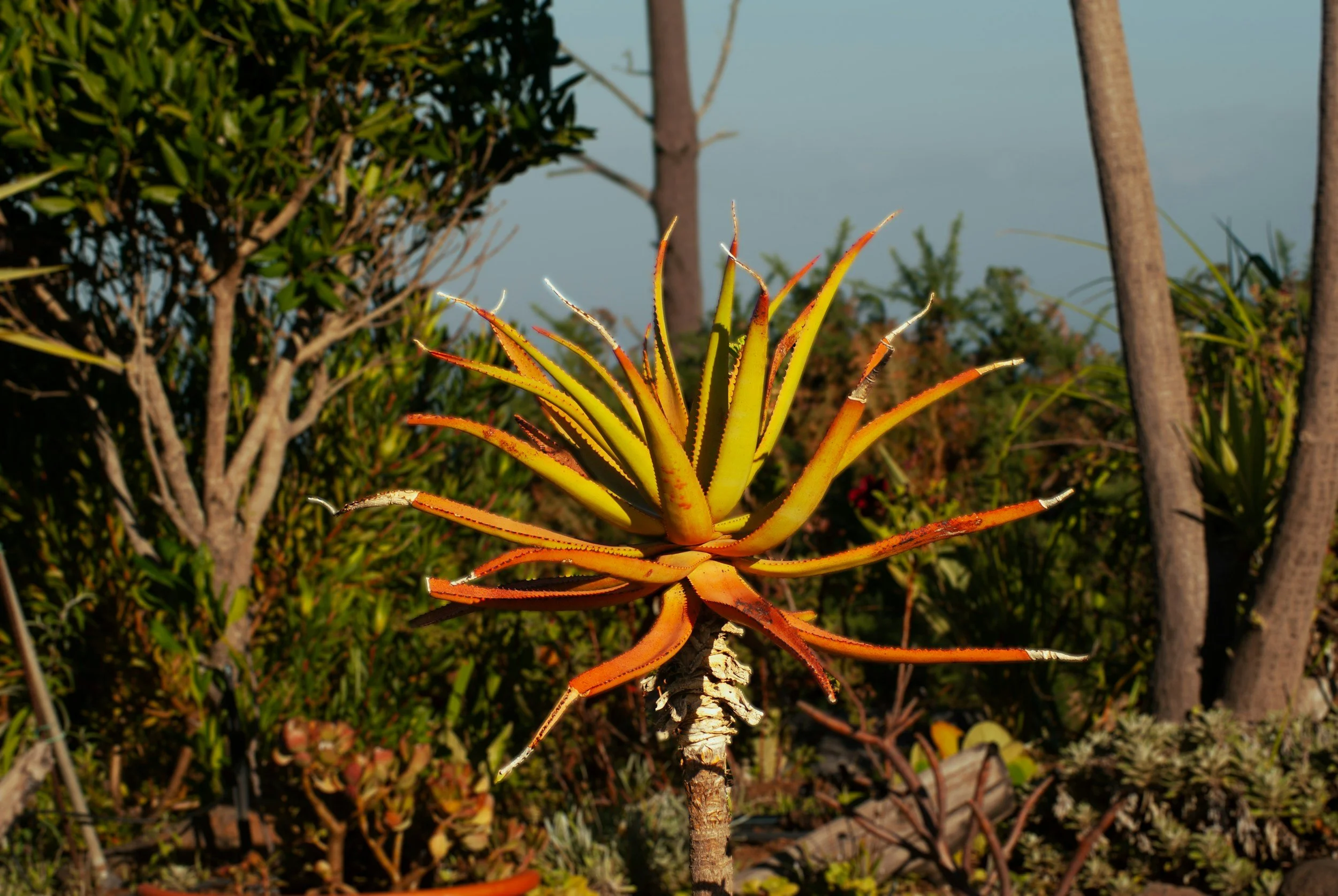
Agave and Aloe — architectural plants that need virtually no water once established
Pinus halepensis (Aleppo pine) — the iconic Ibiza tree; strong, drought-hardy, low-shedding
Bougainvillea — vibrant colour, fast-growing, extremely drought-tolerant once established
Teucrium fruticans (silver germander) — ideal for low hedges and borders
These plants don't just survive — they thrive. And once established (usually within the first one to two seasons), they require very little hands-on attention.
2. Reduce or Eliminate the Lawn
Nothing drives up garden maintenance costs and water consumption like a traditional lawn. In Ibiza's summer heat, keeping grass green requires daily irrigation, and without it, it turns brown within days.
For most villa owners, we recommend eliminating the lawn entirely — or reducing it to a small, purposeful area. Instead, consider:
Decomposed granite or gravel paths framed by native groundcovers
Terracotta or natural stone paving in social and dining areas
Groundcover plants like Gazania, Dymondia, or Creeping Rosemary that suppress weeds and require far less water than grass
Wildflower meadow areas that are mown once or twice a year and look spectacular in spring
If a lawn area is important to you — for children, pets, or aesthetics — we recommend choosing a drought-tolerant grass variety such as Bermuda grass (Cynodon dactylon) or Zoysia, which can handle extended dry periods with significantly less irrigation.
3. Invest in Smart, Efficient Irrigation
A good irrigation system is not optional in Ibiza — it is essential. But the key is to design it intelligently so it does the work for you, not the other way around.
Drip irrigation is almost always the right choice for a low-maintenance garden. Rather than spraying water into the air (where much of it evaporates before reaching the soil), drip systems deliver water directly to the root zone of each plant. The result:
Up to 50% less water consumption compared to sprinkler systems
No water wastage on paths, walls, or paved areas
Reduced risk of fungal disease (no wet foliage)
Quieter, less intrusive operation
Pair your drip system with a programmable smart controller that can adjust watering schedules based on the season — or even connect to weather data. Once set up correctly, your garden can water itself with minimal input from you or your caretaker.
We cover the differences between irrigation systems in depth in our post: Drip vs. Sprinkler Irrigation in Ibiza: What Actually Works.
4. Use Mulch to Reduce Watering and Weeding
One of the most underrated tools in low-maintenance garden design is mulch. Applying a 5–8 cm layer of organic mulch (pine bark, wood chips) or inorganic mulch (gravel, slate) across your planting beds delivers multiple benefits:
Retains soil moisture — reducing how often you need to irrigate
Suppresses weed growth — dramatically cutting down on manual weeding
Regulates soil temperature — protecting roots from Ibiza's intense summer heat
Improves soil structure over time (for organic mulches)
In gravel-garden and xeriscape designs, decorative stone mulch also serves an aesthetic purpose — creating that clean, structured Mediterranean look that works so well with white render walls and terracotta accents.
5. Design for Structure, Not Just Flowers
Many gardens are planted with flowering annuals and seasonal bedding plants that look beautiful for a few weeks and then need replacing. This is the definition of high-maintenance gardening.
A truly low-maintenance villa garden is built around permanent structure: trees, large shrubs, climbers on walls and pergolas, and groundcovers that form the backbone of the garden year-round.
When you get the structure right, the garden always looks intentional — even in the quieter months, even without anyone tending to it. Flowers become a bonus, not the foundation.
Some structural elements we love for Ibiza villas:
Olive trees — timeless, drought-hardy, and incredibly beautiful as specimen trees
Carob trees (Ceratonia siliqua) — native to the Balearics, low-water, excellent shade
Bougainvillea on pergolas or walls — fast-growing, spectacular in summer, minimal care
Rosemary or Teucrium hedges — soft structure without the rigid formality of box hedging
Agave as focal points — sculptural drama with zero irrigation needs once established
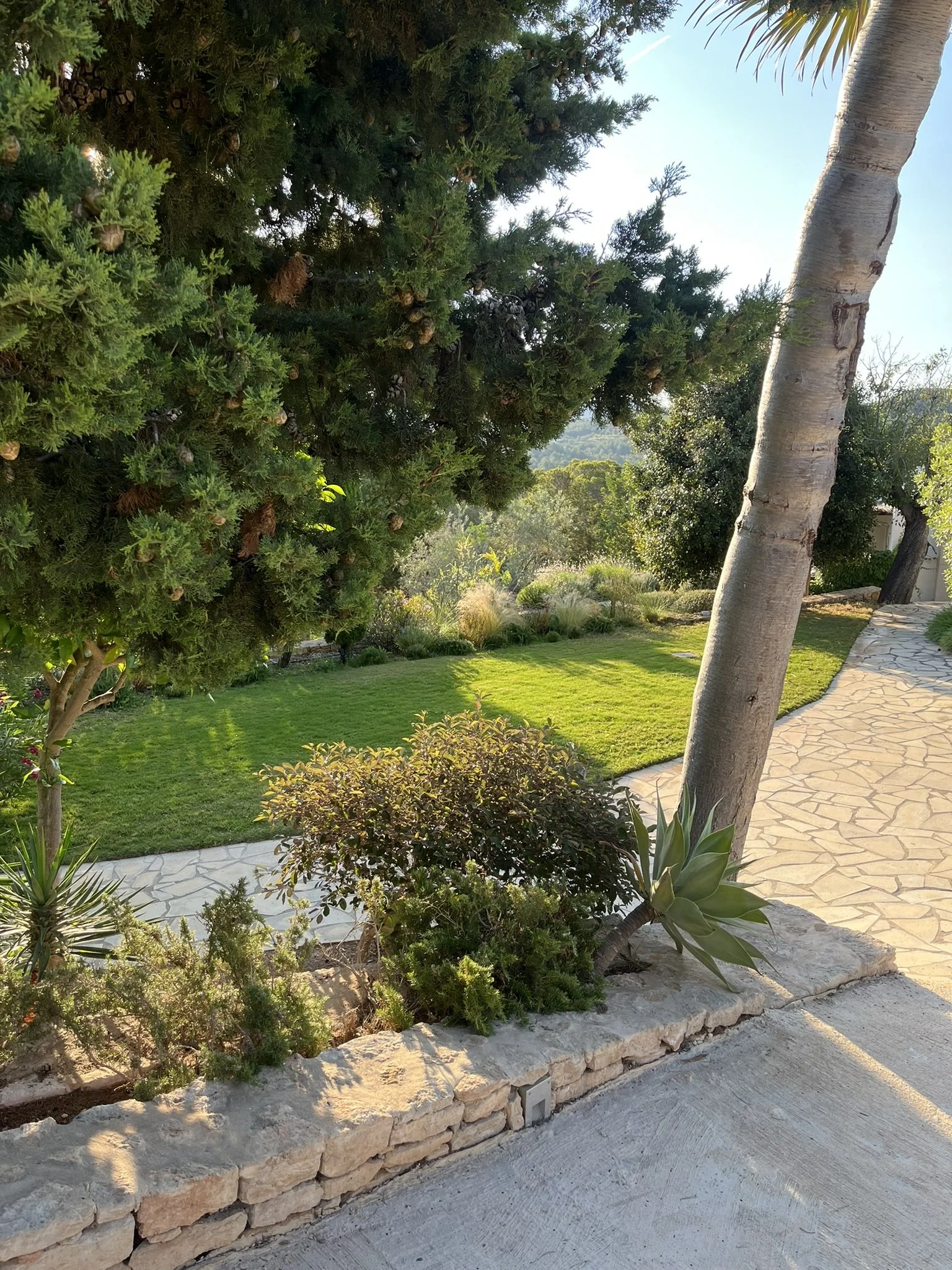
How Much Maintenance Does a Well-Designed Garden Actually Need?
With the right design in place, a typical Ibiza villa garden should need:
Monthly visits from a garden maintenance professional for general tidying, pruning, and system checks
Seasonal interventions (2–3 times per year) for more significant pruning, fertilising of key plants, and irrigation adjustments
Annual system review of the irrigation setup before the summer season begins
That's it. A well-designed garden should not require weekly labour or expensive interventions. If it does, the design needs to be reconsidered.
We offer tailored garden maintenance programmes across Ibiza — monthly, seasonal, or fully managed — designed to keep your outdoor space looking exceptional with minimal stress.
Planning a New Villa Garden? Here's Where to Start
If you're starting from scratch — or looking to renovate an existing garden — the process begins with understanding your lifestyle, your budget, and the specific conditions of your plot.
At Raíz, every project starts with a free consultation. We visit your property, assess the soil, sun exposure, and existing plants, and then develop a design that genuinely suits how you use your villa and how much involvement you want in the ongoing maintenance.
Whether you're looking for a simple, native planting scheme or a full landscape design with terracing, water features, and bespoke paving, we'd love to talk.
📩 Get in touch: landscape@raizibiza.com
📞 Call or WhatsApp: +34 611 253 017
Final Thoughts
A low-maintenance garden in Ibiza is absolutely achievable — but it requires the right decisions at the design stage. The wrong plants, an inefficient irrigation system, or an over-reliance on lawns will always lead to a garden that demands more than it gives back.
Choose native plants. Design for structure. Invest in smart irrigation. And let the Mediterranean climate do the heavy lifting.
That's the Raíz approach — and it's why our clients enjoy beautiful gardens without the stress.

